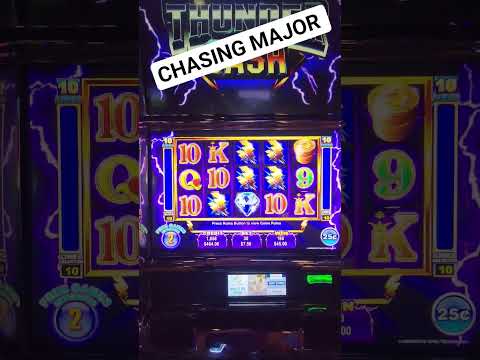
RNG Casino Games: What Random Really Means
 By
By Randomness sounds simple until a slot lands two matching symbols and stops one reel short of a payout. Then the brain, a tireless pattern-hunting machine, starts drafting theories. RNG casino games rely on random number generators to decide outcomes, but understanding what that does—and does not—promise makes the experience easier to read.
For a quick comparison of how digital systems present chance, hackersgolf.app offers a useful reminder that online experiences can feel interactive while their underlying mechanics remain distinct. In casino games, the key question is not whether a spin looks dramatic; it is how the result is generated, and what the published rules say about it.
How a Random Number Generator Works
An RNG is software or hardware designed to produce values that cannot be reliably predicted. In an online casino game, those values are mapped to possible results: a card, a reel position, a roulette pocket, or another game event. The animation comes afterward. Reels may tumble for a few seconds, but the result is generally determined before the visual show reaches its final flourish.
That distinction matters. A slot machine does not usually “remember” that it has paid recently, nor does it owe the next player a win because a quiet stretch feels unfair. Each round is evaluated according to the game’s logic. Previous outcomes may be useful for a statistics lesson, but they do not provide a dependable forecast for the next spin.
There are different ways to generate random values. Some systems use physical processes, while many online games rely on pseudorandom number generators, or PRNGs. A PRNG uses an algorithm and an initial value called a seed to create a sequence that appears random. Properly designed systems make that sequence impractical to predict from the outside. “Pseudorandom” is a technical description, not a polite confession that the game is secretly taking requests.
RNG, RTP, and Volatility Are Different Things
Players often bundle three separate ideas together: randomness, return to player, and volatility. They are related to the same game, but they answer different questions. RNG concerns how outcomes are produced. RTP is a long-run theoretical return calculated across a very large number of plays. Volatility describes how wins may be distributed—frequent and smaller, or less frequent and potentially larger.
| Term | What it describes | What it cannot promise |
|---|---|---|
| RNG | How individual outcomes are selected | A win on any particular round |
| RTP | Theoretical return over extensive play | Your personal session result |
| Volatility | The typical pattern of prize frequency and size | When a larger payout will appear |
A slot with a stated 96% RTP does not return 96 cents from every dollar to each player. That figure is a long-term mathematical model, not a receipt waiting to print after a tidy sample of spins. A short session can land above or below the theoretical rate, sometimes dramatically. Variance is not a loophole; it is the reason the same game can produce very different experiences.
Can Players Spot a Pattern?
Usually, no. A run of near misses can look like evidence that a win is being teased, while a streak of losses can feel like the game is “due.” Neither impression proves anything about the next result. Humans are remarkably good at finding shapes in noise; clouds, toast, and slot reels all receive the same investigative treatment.
Useful questions are less mystical and more practical:
- Does the game explain its rules, paylines, and bonus features clearly?
- Is its RTP disclosed, and does the figure apply to the version being played?
- Does the operator explain its licensing and independent testing arrangements?
- Can you set limits or take a break without friction?
Independent testing can help verify that a game’s software behaves according to its approved design. It does not guarantee that a player will win, and it should not be read as a personal safety net. Testing supports confidence in the mechanics; it cannot turn chance into a schedule.
Reading Casino Game Information Carefully
Before playing, check the rules page rather than relying on a dramatic trailer or a row of shiny symbols. Look for the paytable, RTP information, bonus conditions, and any differences between game versions. If a feature is unclear, pause before staking money. Confusion is a poor companion at the table, even when it wears a very polished interface.
Also treat claims about “hot” games and guaranteed methods with skepticism. A historical chart may describe what has already happened, but it cannot establish that a particular outcome is next. Systems that promise to beat a properly functioning RNG tend to sell certainty in a setting built around uncertainty. That is an ambitious product pitch.
Play With the Odds in View
RNG casino games can be entertaining when the mechanics are transparent and the stakes stay within a planned budget. Decide in advance how much time and money you are comfortable spending, and stop when either limit is reached. A win does not make a later stake risk-free, and a loss is not an invitation to chase the result until the numbers apologize.
Ultimately, random means that outcomes are not reliably predictable—not that every result is equally likely, and not that every player receives the advertised long-run return. Read the game information, distinguish probability from promise, and regard each round as an independent wager. The reels may put on a theatrical performance; the mathematics behind them remains refreshingly indifferent to the audience.